


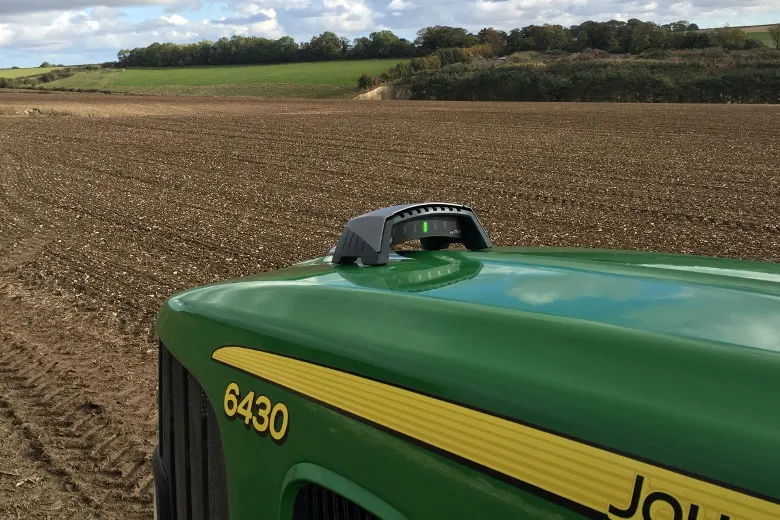
Tractor guidance systems have revolutionized modern agriculture, enabling farmers to increase efficiency, reduce fuel consumption, and improve crop yields. Despite their many benefits, these systems are not without challenges. Understanding the common challenges and solutions in tractor guidance system is essential for farmers and agricultural technicians who want to maximize performance and minimize downtime.
1. GPS Signal Limitations
Challenge:
One of the primary challenges in tractor guidance systems is reliance on GPS signals. Poor signal strength due to dense tree cover, tall buildings, or atmospheric interference can lead to inaccuracies in navigation and field mapping.
Solution:
Farmers can use differential GPS (DGPS) or real-time kinematic (RTK) systems to enhance signal accuracy. These systems provide centimeter-level precision, ensuring that tractors follow precise paths even in challenging environments. Regular calibration and monitoring of the GPS system also help maintain optimal performance.
2. Equipment Compatibility Issues
Challenge:
Tractor guidance systems often need to interface with various types of implements and machinery. Compatibility issues between old tractors and modern guidance technology can hinder system performance.
Solution:
Upgrading older equipment with compatible controllers or using modular guidance systems designed for a wide range of machinery can resolve these issues. Additionally, consulting with manufacturers or technicians about compatibility before installation reduces the risk of system conflicts.
3. Software and Firmware Malfunctions
Challenge:
Software glitches, outdated firmware, or incompatible updates can disrupt the operation of tractor guidance systems. These malfunctions may cause deviations from planned routes, reducing efficiency and potentially damaging crops.
Solution:
Regular software updates and routine system diagnostics are crucial. Many manufacturers provide firmware updates that improve system stability and add new features. Keeping backup configurations ensures quick recovery in case of software failure.
4. Environmental Factors
Challenge:
Tractor guidance systems can be affected by environmental conditions such as heavy rain, fog, or uneven terrain. These factors can interfere with sensors and reduce system accuracy.
Solution:
Using guidance systems with multiple sensor inputs, including inertial measurement units (IMUs) and radar-based systems, can mitigate environmental interference. Combining GPS with additional sensors ensures the tractor maintains accurate positioning even in adverse conditions.
Conclusion
Understanding the common challenges and solutions in tractor guidance systems allows farmers to make informed decisions when implementing precision agriculture technologies. By addressing GPS limitations, compatibility issues, software malfunctions, and environmental factors, agricultural operators can maximize efficiency, reduce operational costs, and improve overall productivity.
