


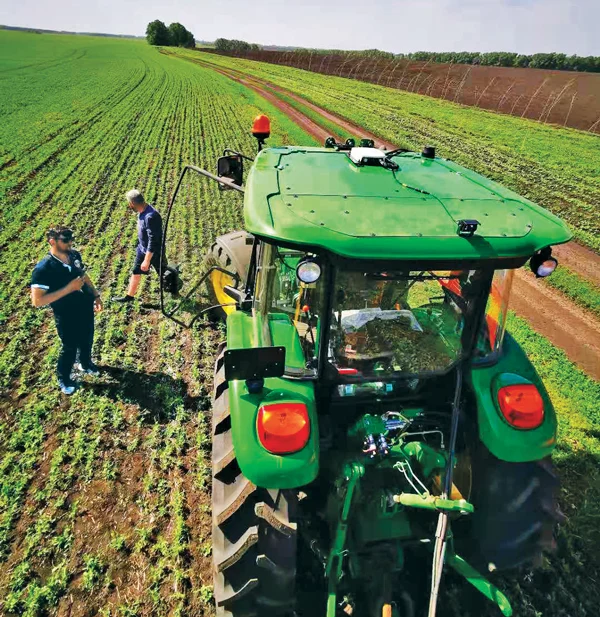
Agriculture is evolving rapidly with the help of modern technology, and one of the most transformative innovations is precision farming gnss. Farmers today are using advanced satellite-based navigation systems to improve productivity, reduce waste, and make smarter decisions in the field. As global food demand continues to rise, the integration of smart farming technologies is becoming essential for sustainable agriculture.
Understanding Precision Farming GNSS
Precision farming refers to the use of technology to monitor and manage agricultural operations with high accuracy. GNSS, or Global Navigation Satellite System, provides precise positioning data that helps farmers optimize their field activities. By combining sensors, mapping software, drones, and automated machinery, Precision Farming GNSS enables farmers to work more efficiently than ever before.
These systems allow tractors and equipment to follow exact paths in the field, minimizing overlaps and reducing fuel consumption. Farmers can also collect real-time data about soil conditions, crop health, and irrigation needs, leading to better decision-making and improved yields.
Benefits of Smart Agriculture
Increased Accuracy in Field Operations
One of the biggest advantages of smart agriculture is accuracy. With satellite-guided systems, farmers can plant seeds, apply fertilizers, and spray pesticides with exceptional precision. This reduces input costs and minimizes environmental impact.
Better Resource Management
Water, fertilizers, and fuel are valuable resources in farming. Smart agricultural technologies help farmers use these resources more effectively. By analyzing field data, farmers can apply the right amount of nutrients and water only where needed, reducing waste and improving sustainability.
Improved Crop Yields
The use of data-driven farming practices leads to healthier crops and higher productivity. Precision Farming GNSS helps farmers monitor crop conditions throughout the growing season, allowing them to identify problems early and take corrective action quickly.
The Role of Automation in Modern Farming
Automation is becoming a key part of agriculture. Autonomous tractors, robotic harvesters, and drone-based monitoring systems are changing how farms operate. These technologies rely heavily on accurate GNSS positioning to perform tasks with minimal human intervention.
As automation continues to improve, farms will become more productive and efficient. Farmers will be able to manage larger areas with fewer resources while maintaining high levels of crop quality.
Environmental Sustainability and Smart Farming
Sustainability is a major concern in modern agriculture. Traditional farming methods can lead to soil degradation, excessive water usage, and chemical runoff. Smart farming technologies provide a more environmentally friendly approach.
The Future of Smart Agriculture with Precision Farming GNSS includes reducing the environmental footprint of farming through optimized resource use and precise application techniques. This approach supports long-term soil health and helps conserve natural resources for future generations.
Challenges Facing Precision Agriculture
Although smart farming offers many benefits, there are still challenges to overcome. High equipment costs, limited internet connectivity in rural areas, and the need for technical knowledge can make adoption difficult for some farmers.
However, as technology becomes more affordable and accessible, more agricultural businesses are expected to embrace digital farming solutions. Governments and private organizations are also investing in agricultural innovation to support farmers worldwide.
Future Trends in Precision Farming
The future of farming will likely include greater integration of artificial intelligence, machine learning, and Internet of Things (IoT) devices. These technologies will work together with Precision Farming GNSS to create highly intelligent farming systems capable of predicting crop performance, weather patterns, and pest outbreaks.
Smart farms may eventually operate almost entirely through automated systems, improving efficiency and helping meet the growing demand for food production across the globe.
Conclusion
The agricultural industry is entering a new era of innovation and efficiency. The Future of Smart Agriculture with Precision Farming GNSS is transforming the way farmers manage crops, resources, and machinery. By combining precise navigation systems with advanced digital tools, agriculture is becoming more productive, sustainable, and environmentally responsible.
