


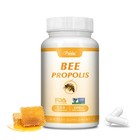
When it comes to natural remedies, bee products are often lauded for their healing properties. Among these, bee propolis and Manuka honey stand out as two of the most popular and widely used substances for their potential health benefits. But which one reigns supreme? Is it bee propolis or Manuka honey that offers the most benefits? Let’s dive into a comparison of these two remarkable natural remedies to help you decide which is the superior choice.
What Is Bee Propolis?
Bee propolis is a resin-like substance collected by honeybees from tree buds, sap flows, and other botanical sources. The bees use propolis to seal cracks in the hive, and it is also thought to protect against bacteria, viruses, and fungi. For humans, bee propolis is often used for its anti-inflammatory, antimicrobial, and antioxidant properties.
Benefits of Bee Propolis:
- Antibacterial Properties: Bee propolis is often used in herbal medicine for its ability to fight bacterial infections.
- Supports Immune Health: Rich in flavonoids and phenolic compounds, propolis helps support the immune system.
- Wound Healing: Propolis has been shown to promote faster healing of cuts, burns, and other skin injuries.
- Antioxidant Effects: Its high antioxidant content helps neutralize harmful free radicals, contributing to overall well-being.
What Is Manuka Honey?
Manuka honey is a special type of honey produced by bees that pollinate the Manuka bush (Leptospermum scoparium), native to New Zealand and parts of Australia. It is highly regarded for its potent antibacterial and healing properties, particularly due to the presence of a compound called methylglyoxal (MGO), which is not found in significant amounts in regular honey.
Benefits of Manuka Honey:
- Powerful Antibacterial Action: The high MGO concentration in Manuka honey makes it one of the most potent natural antibacterial substances.
- Digestive Health: Manuka honey is known to help with gastrointestinal issues like acid reflux and irritable bowel syndrome (IBS).
- Wound and Skin Care: Like bee propolis, Manuka honey is often used topically to treat wounds, burns, and skin irritations.
- Boosts Oral Health: Manuka honey has been shown to reduce plaque formation and improve gum health.
Bee Propolis vs. Manuka Honey: Key Differences
While both bee propolis and Manuka honey are celebrated for their healing properties, they differ in their composition and specific uses.
1. Active Compounds
- Bee Propolis: Bee propolis contains a complex mixture of resins, flavonoids, and essential oils. These compounds give it strong antimicrobial and anti-inflammatory properties, which help in fighting infections and boosting the immune system.
- Manuka Honey: The key active compound in Manuka honey is MGO (methylglyoxal), which gives it its renowned antibacterial potency. This makes it especially effective in treating infections and promoting wound healing.
2. Usage and Application
- Bee Propolis: Propolis is generally available in tincture, capsule, or topical form and is used primarily to support immune health, reduce inflammation, and speed up the healing process for cuts or infections.
- Manuka Honey: Manuka honey can be consumed directly or applied topically for various conditions like digestive issues, sore throats, skin wounds, and burns.
3. Flavor and Texture
- Bee Propolis: Propolis has a more bitter, resinous taste, making it less pleasant to consume in large amounts. It’s often mixed with other substances like honey or alcohol to make it more palatable.
- Manuka Honey: Manuka honey has a unique, rich flavor that is slightly earthy and sweet. It’s often enjoyed as a natural sweetener or taken straight from the jar.
Which Is the Superior Natural Remedy: Bee Propolis or Manuka Honey?
Choosing between bee propolis and Manuka honey largely depends on what you’re looking to treat or prevent.
- For Immune Support and Infections: Bee propolis may be a better choice due to its broad-spectrum antimicrobial properties, which can target a variety of pathogens.
- For Wound Healing and Skin Care: Both bee propolis and Manuka honey are excellent choices. Manuka honey’s MGO content provides extra antibacterial protection, making it especially effective for healing cuts, burns, and infections. However, bee propolis may offer faster anti-inflammatory effects.
- For Digestive Health: Manuka honey stands out as the better choice for digestive issues, such as ulcers and acid reflux, due to its unique MGO properties and soothing effects on the stomach lining.
Conclusion: Bee Propolis vs. Manuka Honey
In the battle of bee propolis vs. Manuka honey, both substances offer powerful natural remedies with distinct advantages. Bee propolis shines in its immune-boosting and anti-inflammatory effects, while Manuka honey excels in its antibacterial potency and versatility in treating wounds, digestive issues, and skin conditions.
