


As energy costs continue to rise and environmental concerns grow, many homeowners are considering renewable energy solutions. Among these, solar power has emerged as one of the most efficient and sustainable options. Choosing the Right Solar Power System for Your Household is a crucial step to ensure maximum efficiency, savings, and long-term benefits.
Understanding Your Energy Needs
Before selecting a solar power system, it is essential to understand your household’s energy consumption. Review your electricity bills over the past year to identify patterns and peak usage periods. This information will help you determine the capacity of the solar system required to meet your needs efficiently.
Types of Solar Power Systems
There are three primary types of solar power systems available for residential use:
1. Grid-Tied Systems
Grid-tied systems are connected to the local electricity grid, allowing excess power to be fed back into the grid. This type is cost-effective and ideal for households that want to reduce energy bills without the need for battery storage.
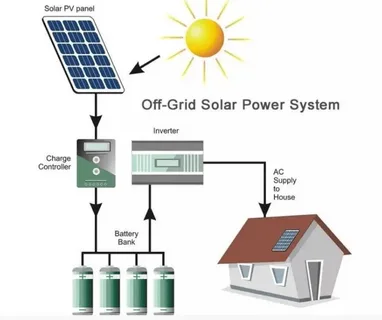
2. Off-Grid Systems
Off-grid systems operate independently of the electricity grid and rely on batteries to store energy. These are suitable for remote areas where access to the grid is limited, but they require careful planning to ensure consistent energy supply.
3. Hybrid Systems
Hybrid systems combine the benefits of grid-tied and off-grid systems. They use battery storage for backup power while remaining connected to the grid. This solution provides flexibility and reliability, making it a popular choice for households seeking energy security.
Key Factors to Consider
When choosing the right solar power system for your household, consider the following factors:
- Roof Size and Orientation: Ensure your roof has sufficient space and proper orientation for maximum sunlight exposure.
- Budget: Assess the initial investment and potential savings over time.
- Energy Efficiency Goals: Decide whether your priority is reducing electricity bills, achieving energy independence, or both.
- Local Incentives: Check for government rebates, tax credits, or other incentives that can reduce the cost of installation.
Installation and Maintenance
Professional installation is vital for safety and performance. A certified solar installer can design a system tailored to your household’s energy needs. Additionally, regular maintenance, such as cleaning panels and monitoring system performance, ensures long-term efficiency.
Conclusion
Investing in solar power is a smart and sustainable decision, but choosing the right solar power system for your household is key to maximizing benefits. By evaluating your energy needs, understanding the types of systems available, and considering crucial factors like budget and roof suitability, you can make an informed decision that saves money, reduces your carbon footprint, and increases energy independence.
