


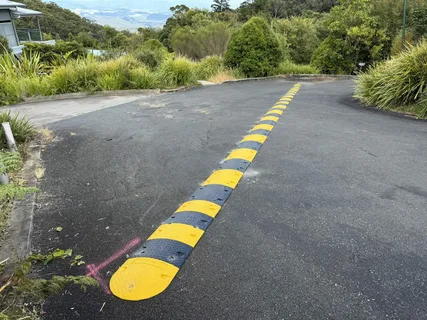
Traffic management is an essential aspect of urban planning, and one of the most common tools used to control vehicle speed is the speed bump. Understanding the different types, benefits, and best practices associated with speed bumps can help municipalities, property managers, and drivers navigate roads safely and efficiently.
What Are Speed Bumps?
Speed bumps are raised areas placed across roadways designed to slow down vehicles. Unlike speed limits, which rely on driver compliance, speed bumps physically enforce slower speeds. They are commonly found in residential neighborhoods, school zones, parking lots, and hospital areas where pedestrian safety is a priority.
Types of Speed Bumps
Speed bumps come in several varieties, each with specific applications depending on the environment and traffic requirements.
1. Traditional Asphalt or Concrete Speed Bumps
These are permanent fixtures constructed from asphalt or concrete. They are durable and effective for areas with heavy traffic. Their height and width are carefully designed to slow vehicles to safe speeds without causing damage.
2. Rubber Speed Bumps
Rubber speed bumps are often modular and easier to install or remove than their concrete counterparts. They are ideal for temporary or adjustable traffic control, such as construction zones or parking lots.
3. Speed Humps
While often confused with speed bumps, speed humps are longer and less abrupt. They slow traffic more gradually, making them suitable for residential streets with frequent pedestrian activity.
4. Speed Cushions
Speed cushions are similar to speed humps but have gaps to allow emergency vehicles, such as ambulances or fire trucks, to pass without slowing down. They are commonly used in areas that require rapid emergency access.
Benefits of Speed Bumps
Implementing speed bumps provides multiple benefits, both for drivers and pedestrians.
- Enhanced Safety: The primary benefit of speed bumps is reducing vehicle speed, which lowers the risk of accidents, especially in high pedestrian areas.
- Traffic Calming: Speed bumps discourage reckless driving and help maintain a steady flow of traffic at safer speeds.
- Community Protection: Residential neighborhoods benefit from decreased noise and safer streets for children and pets.
- Cost-Effective: Compared to traffic lights or other control measures, speed bumps are relatively inexpensive and require minimal maintenance.
Best Practices for Installing Speed Bumps
Proper installation is crucial for speed bumps to be effective without causing unnecessary hazards.
- Appropriate Placement: Speed bumps should be installed in areas with high pedestrian activity or where speeding is common. Avoid placing them near intersections where sudden stops could cause accidents.
- Clear Signage: Drivers must be warned ahead of time with visible signs and markings to prevent accidents.
- Standard Dimensions: Following recommended height and width specifications ensures the speed bump slows traffic safely without damaging vehicles.
- Regular Maintenance: Over time, speed bumps can wear down or become less visible. Regular inspections and maintenance keep them effective.
Conclusion
Speed bumps play a crucial role in traffic safety and urban planning. By understanding the different types, benefits, and best practices, communities can make informed decisions to protect both drivers and pedestrians. When implemented correctly, speed bumps are a simple, cost-effective solution to controlling vehicle speeds and enhancing public safety.
Speed Bumps Explained: Types, Benefits, and Best Practices is not just a guide for city planners—it’s a reminder of the importance of careful traffic management for safer streets.
