


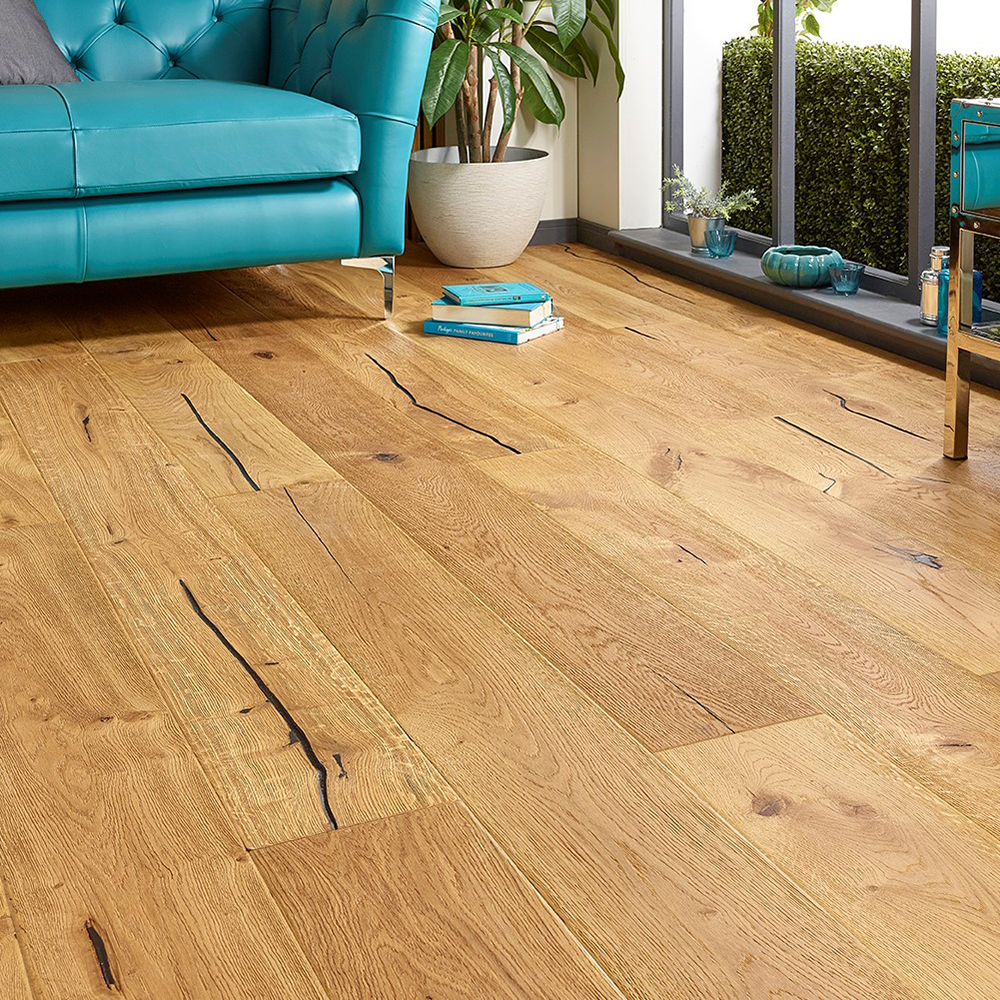
Modern homes demand a balance of style, durability, and practicality. Flooring plays a crucial role in achieving that balance, and engineered wood flooring has quickly become a top choice for homeowners, designers, and builders alike. In The Complete Guide to Choosing Engineered Wood Flooring for Modern Homes, we’ll explore everything you need to know—from construction and benefits to installation and maintenance—so you can make a confident, informed decision.
What Is Engineered Wood Flooring?
Engineered wood flooring is made from multiple layers of wood pressed together, with a solid hardwood veneer on the top layer. Unlike traditional solid hardwood, which is made from a single piece of timber, engineered wood is constructed for enhanced stability and resistance to moisture.
The top layer (also called the wear layer) determines the look and finish of the floor, while the core layers provide strength and structural support. This layered construction makes it particularly suitable for modern homes where underfloor heating, open-plan layouts, and varying humidity levels are common.
Why Engineered Wood Flooring Is Ideal for Modern Homes
1. Superior Stability
Thanks to its multi-layer construction, engineered wood flooring expands and contracts less than solid hardwood. This makes it ideal for environments with fluctuating temperatures and humidity.
2. Compatible with Underfloor Heating
Many modern homes feature underfloor heating systems. Engineered wood works better with these systems compared to solid hardwood because it handles temperature changes more effectively.
3. Wide Range of Styles
From classic oak finishes to contemporary grey tones and matte textures, engineered wood flooring comes in a variety of colors, plank widths, and surface treatments to match minimalist, industrial, or Scandinavian-inspired interiors.
4. Sustainable Choice
Engineered wood uses less solid hardwood than traditional flooring, making it a more environmentally conscious option when sourced responsibly.
Key Factors to Consider Before Buying
In The Complete Guide to Choosing Engineered Wood Flooring for Modern Homes, understanding the essential buying factors is critical. Here’s what to evaluate:
Thickness and Wear Layer
The overall thickness of the plank and the thickness of the top veneer matter. A thicker wear layer allows for sanding and refinishing, extending the lifespan of your flooring.
Wood Species
Oak is the most popular option due to its durability and versatility. However, walnut, maple, and ash are also common choices, each offering distinct grain patterns and tones.
Finish Type
- Lacquered finish: Durable and easy to clean
- Oiled finish: Natural appearance with easy spot repairs
- Brushed or distressed finish: Adds texture and hides minor scratches
Installation Method
Engineered wood flooring can be:
- Floating (click-lock system)
- Glued down
- Nailed down
Your subfloor type and room conditions will influence the best installation method.
Room-by-Room Suitability
Living Rooms and Bedrooms
Engineered wood adds warmth and elegance, making it perfect for high-traffic family areas and cozy sleeping spaces.
Kitchens
While not fully waterproof, engineered wood performs better than solid hardwood in kitchens due to its improved moisture resistance.
Basements
Its structural stability makes it a suitable option for basements, provided moisture levels are properly controlled.
Maintenance and Longevity
One of the highlights in The Complete Guide to Choosing Engineered Wood Flooring for Modern Homes is understanding maintenance requirements. Fortunately, engineered wood is relatively easy to maintain:
- Sweep or vacuum regularly
- Use a damp (not wet) mop
- Avoid harsh chemical cleaners
- Place protective pads under furniture
With proper care, engineered wood flooring can last 20–30 years or more, depending on the wear layer thickness.
Cost Considerations
Engineered wood flooring typically costs less than solid hardwood but more than laminate or vinyl. Pricing depends on:
- Wood species
- Brand and quality
- Thickness
- Installation method
While the upfront cost may be higher than some alternatives, its durability and timeless appeal often provide better long-term value.
Final Thoughts
Choosing the right flooring can dramatically impact the comfort, aesthetics, and value of your home. As outlined in The Complete Guide to Choosing Engineered Wood Flooring for Modern Homes, engineered wood offers a smart combination of beauty, resilience, and versatility.
By considering factors like thickness, wood species, finish, and installation method, you can select flooring that complements your design vision while meeting the practical needs of modern living. Whether renovating a single room or designing an entire home, engineered wood flooring remains one of the most stylish and reliable options available today.
