


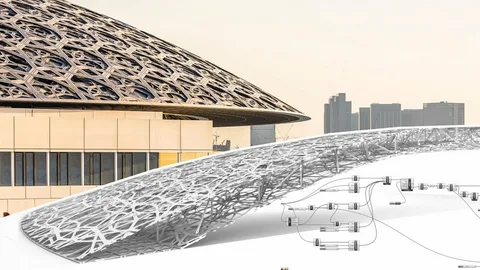
Louvre systems have become an essential element in modern architecture, combining functionality with aesthetics. As we move into 2026, new trends are emerging that are reshaping how architects, designers, and homeowners incorporate these systems into their projects. In this article, we will explore the top trends in louvre systems for 2026, highlighting innovations, design preferences, and technological advancements.
1. Smart and Automated Louvre Systems
One of the most significant trends in 2026 is the integration of smart technology. Automated louvre systems now offer remote operation, energy efficiency, and weather-responsive features. Homeowners and commercial building managers can adjust the angle of the louvers automatically based on sunlight intensity, temperature, or rainfall.
This trend not only improves energy efficiency but also enhances comfort and convenience. The rise of IoT-enabled buildings means that louvre systems for 2026 are no longer just manual installations but a part of a connected smart environment.
2. Sustainable and Eco-Friendly Materials
Sustainability continues to influence architectural trends, and louvre systems are no exception. In 2026, the focus is on eco-friendly materials such as recycled aluminum, sustainable timber, and durable composite materials.
These materials reduce environmental impact while maintaining durability and style. Green building certifications and stricter environmental regulations are driving this shift, making sustainable louvre solutions one of the key trends in louvre systems for 2026.
3. Minimalist and Sleek Designs
Aesthetics remain a top priority for architects and interior designers. Modern louvre systems are adopting minimalist designs with clean lines and discreet profiles. Sleek aluminum or timber finishes are dominating, offering a seamless integration with building facades.
Designers are also experimenting with color customization and innovative patterns, allowing louvre systems to serve as both functional and decorative elements. The trend of minimalist elegance ensures that louvre systems for 2026 complement contemporary architectural styles effortlessly.
4. Multi-Functional Applications
Beyond traditional shading, louvre systems are being used in new and creative ways. They now serve as sun control, ventilation aids, privacy screens, and even acoustic solutions in certain spaces. This multifunctionality is particularly popular in urban environments where space optimization and energy efficiency are critical.
By combining multiple functions into a single system, architects and homeowners can achieve smarter, more sustainable, and visually appealing solutions.
5. Enhanced Durability and Weather Resistance
As extreme weather events become more common, durability and weather resistance are key considerations. Louvre systems in 2026 are being designed with materials and finishes that can withstand harsh climates, corrosion, and UV exposure.
This ensures a longer lifespan, lower maintenance costs, and sustained performance, making these systems a reliable choice for both residential and commercial projects.
Conclusion
The top trends in louvre systems for 2026 reflect a blend of technology, sustainability, and design innovation. From smart automation and eco-friendly materials to minimalist designs and multifunctional applications, louvre systems are evolving to meet the demands of modern architecture. Keeping these trends in mind will help architects, designers, and homeowners make informed decisions and stay ahead in 2026.
