


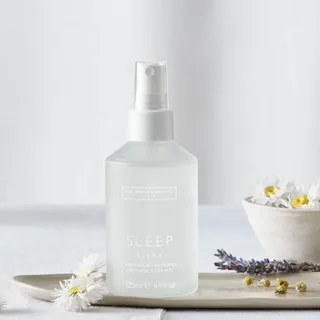
You get into bed, close your eyes, and your brain decides that it is the perfect time to replay every conversation from the last three years. Sound familiar? For people with overactive minds, switching off at night is one of the hardest parts of the day. The best pillow spray for sleep works by giving your brain a consistent sensory cue, a scent that, with regular use, starts to signal that it is time to stop thinking and start resting. It is a simple tool, but when it is part of a proper bedtime routine, the difference it makes is real.
Why Pillow Spray Can Help Overactive Minds
Pillow spray is not a cure for a racing mind, but it works by leveraging the brain’s response to scent to create a genuine calming effect.
Scent Creates A Calming Signal
The nose has a direct connection to the limbic system, the part of the brain that controls emotion and stress. When you inhale a calming scent, the brain responds almost immediately, lowering heart rate and reducing the mental urgency that keeps overthinkers awake.
This happens faster than almost any other sensory input, which is why scent is one of the most effective tools for shifting the nervous system out of an alert state.
Aromatherapy Supports Relaxation
Research into aromatherapy shows that certain botanicals have measurable effects on stress hormones and sleep quality:
- Lavender reduces anxiety and improves sleep depth
- Frankincense lowers cortisol and eases overstimulation
- Roman Chamomile supports the nervous system and promotes more restful sleep
These are not simply pleasant smells. They have documented biological effects that support sleep.
The Routine Matters As Much As The Spray
Used once, a pillow spray smells nice. Used every night at the same point in your routine, it becomes a conditioned cue. Over time, the brain starts to associate that scent with falling asleep, so the calming effect builds rather than fades. Consistent nightly use is where the real benefit comes from.
The Five Best Pillow Sprays For Overactive Minds
These picks span different scent profiles and budgets, each chosen specifically for people whose minds race at bedtime.
1. anatomē — Somali Frankincense Pillow Spray
Best for: Overactive minds that cannot fall asleep
Designed specifically for busy brains that struggle to switch off, this spray uses a blend of 22 essential oils to ease overstimulation and create a stronger sense of calm before bed.
Key ingredients: Somali Frankincense, Clary Sage, and Patchouli, chosen for their ability to lower cortisol levels and quiet mental noise.
Scent profile: Grounding, earthy, and sophisticated rather than traditionally floral, making it particularly suited to people who find lavender too soft or familiar.
Available sizes: 10ml travel size and 50ml full size.
2. anatomē — Lavender Pillow Spray
Best for: Stressed or anxious minds that struggle to wind down
This formula is designed for people whose sleep difficulties stem from stress and tension rather than persistent racing thoughts. With regular use, it helps build a consistent sensory cue that signals sleep.
Key ingredients: Three varieties of lavender (Cornish, Provençal, and Himalayan) supported by more than 20 botanicals including Rose Absolute, Blue Tansy, and Clary Sage.
Scent profile: Soft, calming, and classically relaxing with a more layered and complex character than a traditional lavender spray.
Available sizes: 10ml travel size and 50ml full size.
3. Tisserand — Sleep Better Body And Pillow Mist
Best for: people who want a spray that works on body, pillow, and room air
Tisserand has been blending essential oils in the UK since 1974, and this award-winning mist is one of their most recognised products.
Key details:
- Scent: Lavender, Sandalwood, and Jasmine
- 100% natural pure essential oils, no alcohol, no synthetic fragrance
- Multi-use body, pillow, and room air
- Made in England, available in 100ml at Boots
4. Cowshed — Sleep Calming Pillow Mist
Best for: people who want something completely different from lavender
Cowshed’s mist uses Melissa and Lemon Myrtle essential oils rather than a standard lavender blend, which makes it a strong pick for anyone who has tried lavender-led sprays without success. Melissa is well known for its calming, stress-relieving effect, while Lemon Myrtle adds a light freshness that keeps the scent from feeling heavy or sweet. Made with British botanicals. Good for sensitive sleepers who find floral scents overpowering.
5. This Works — Deep Sleep Pillow Spray
Best for: people who want clinically proven results and wide availability
At a glance:
- Blend of Lavender, Camomile, and Vetivert
- Over 19,000 Amazon reviews, rated 4.4 out of 5
- Clinically shown to help people fall asleep faster
- 99 per cent natural, vegan, and cruelty-free
- Available in multiple sizes at most pharmacies and online retailers
What To Look For
Choosing the best pillow spray for sleep for an overactive mind comes down to four things:
- Lead ingredients that do real work like lavender, frankincense, chamomile, clary sage, or vetiver at proper concentrations rather than as trace notes
- Light, well-blended formula; overpowering scents can be stimulating. Two or three sprays from 20 to 30 centimetres is enough
- Water-based and free from synthetic fragrance gentler on skin and airways for nightly use
- Mild enough for every night; avoid strong alcohol bases or harsh preservatives that irritate over time
How To Use It
For best results, follow this sequence every night:
- Shake the bottle before each use so natural formulas can separate
- Hold 20 to 30 centimetres from the pillow and use two or three light spritzes
- Use it as the very last step before closing your eyes; this timing builds the sleep association
- Stay off screens before spraying so that the blue light suppresses melatonin and weakens the effect
- Inhale slowly for the first few minutes after lying down to accelerate the calming response
Takeaway
The best pillow spray for sleep does more than make your bedding smell pleasant. Used consistently, it helps create a clear signal that the day is over and it is time to rest. For overactive minds especially, that simple sensory cue can make the process of switching off feel a little easier night after night.
